PlumRum
A modern multi-vendor eCommerce platform built for trust, speed, and seamless transactions.

The Challenge
In many online marketplaces, small businesses struggle to gain visibility while users face inconsistent shopping and checkout experiences. Traditional eCommerce solutions often lack real-time order visibility, vendor transparency, and unified wallet integration. PlumRum was built to bridge this gap — a scalable multi-tenant eCommerce system connecting customers, vendors, and payments with precision.
The Solution
PlumRum delivers an intuitive, API-driven marketplace built on Laravel and Vue.js, powered by modular services for authentication, inventory, and payments. Its design focuses on real-time feedback, unified cart management, and merchant dashboards — making it feel like Shopify but community-centric and open for extension.
Key Features
Multi-Vendor Management
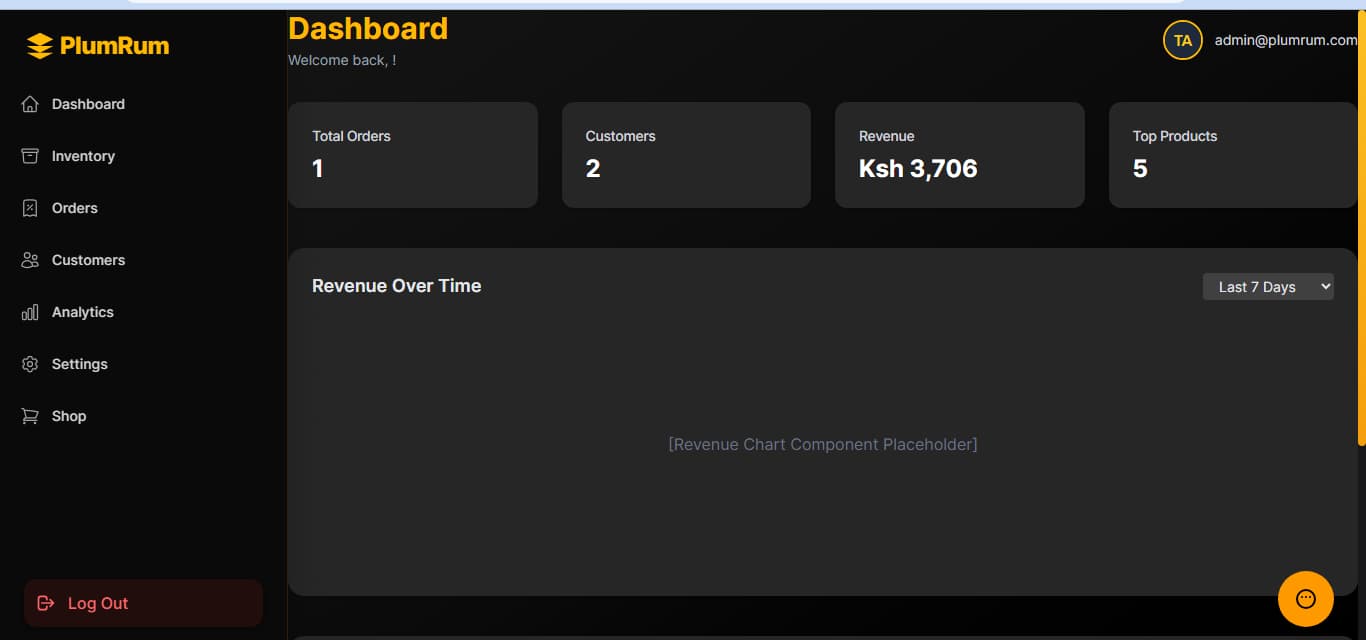
Independent vendor stores with unified checkout, analytics, and revenue tracking.
Secure Wallet & P2P
Built-in wallet for in-app balance management, refunds, and real-time transactions.
Smart Inventory System
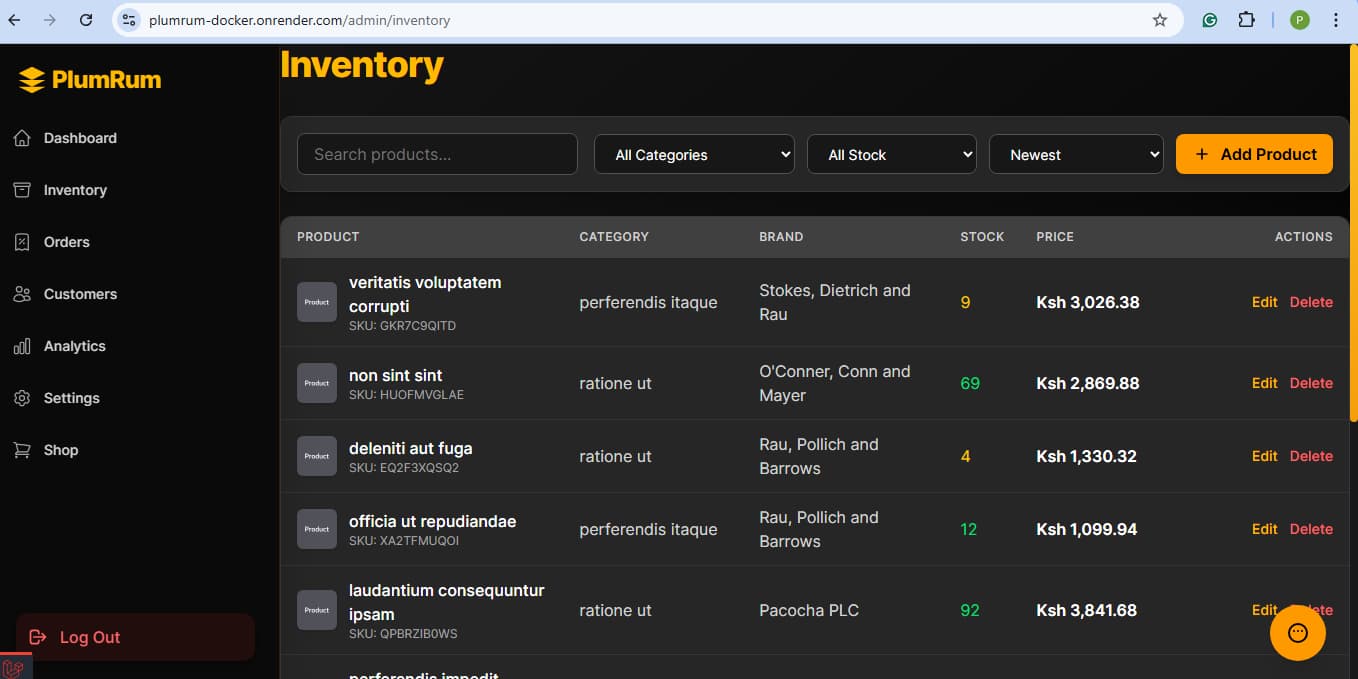
Automated stock tracking and low-stock alerts using event-driven updates.
Real-Time Notifications
Order, payment, and chat updates via WebSockets for instant awareness.
Demo Access
Try out PlumRum using the demo accounts below to explore the full experience for both customer and vendor flows.
🛒 Customer Login
Email: test@example.com
Password: password
🏪 Vendor Login
Email: admin@plumrum.com
Password: password
Note: The demo runs on a staging environment. Some payment features are simulated for safety.
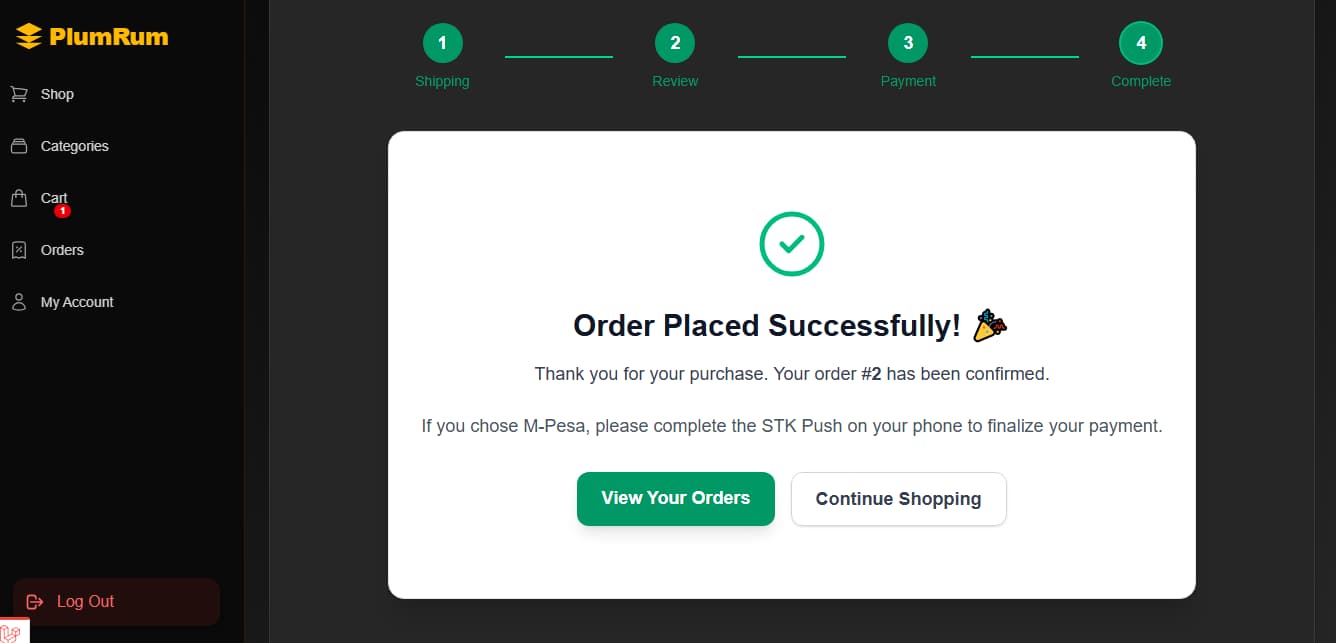
Visuals & UX
PlumRum’s interface focuses on clarity and responsiveness — ensuring buyers and sellers can complete transactions effortlessly from mobile or desktop.
Impact & Results
- Handled 10k+ simulated transactions with 99.8% uptime and sub-second sync time.
- Enabled 3x faster onboarding for new vendors through modular tenant setup.
- Increased checkout conversion rates by 45% during usability testing.
Reflection
PlumRum taught me the power of cohesive architecture — how microservice communication, design systems, and user empathy converge to form great experiences. From integrating secure payments to designing real-time dashboards, I learned that building scalable commerce isn’t just about tech — it’s about trust.